
Medical Assistant








Medical Assistant
Instructors:
Important Information
Program Description:
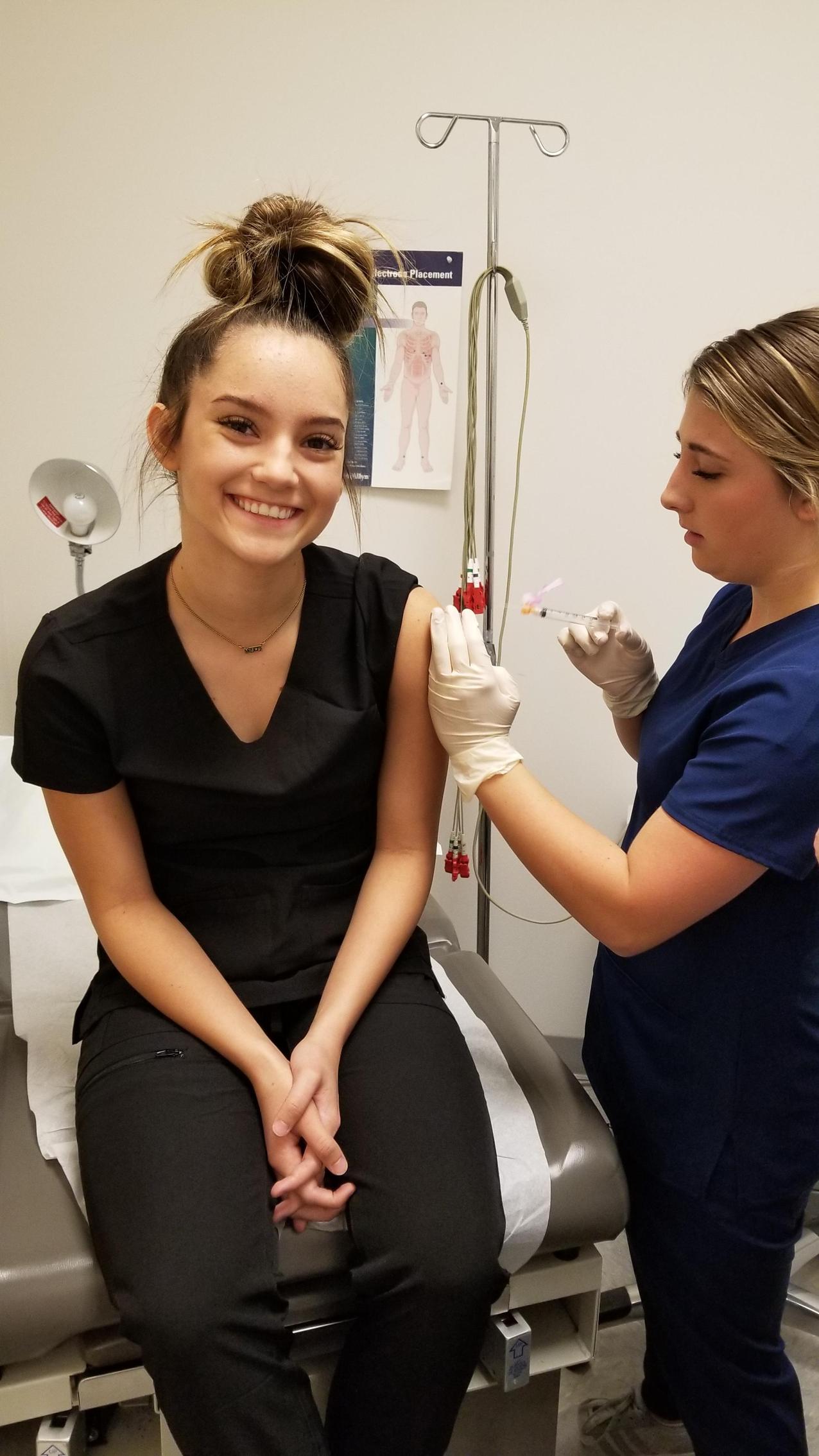
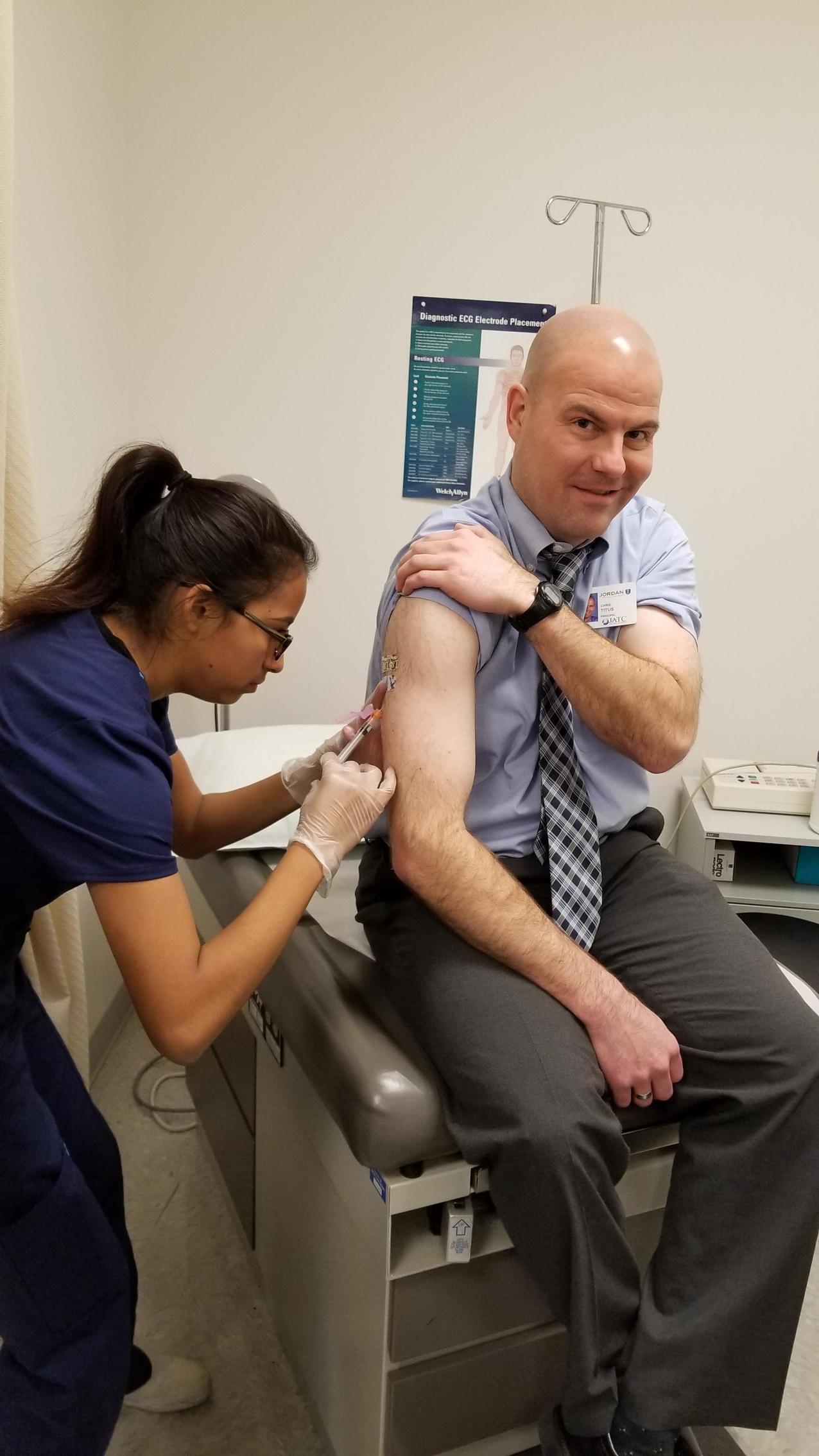
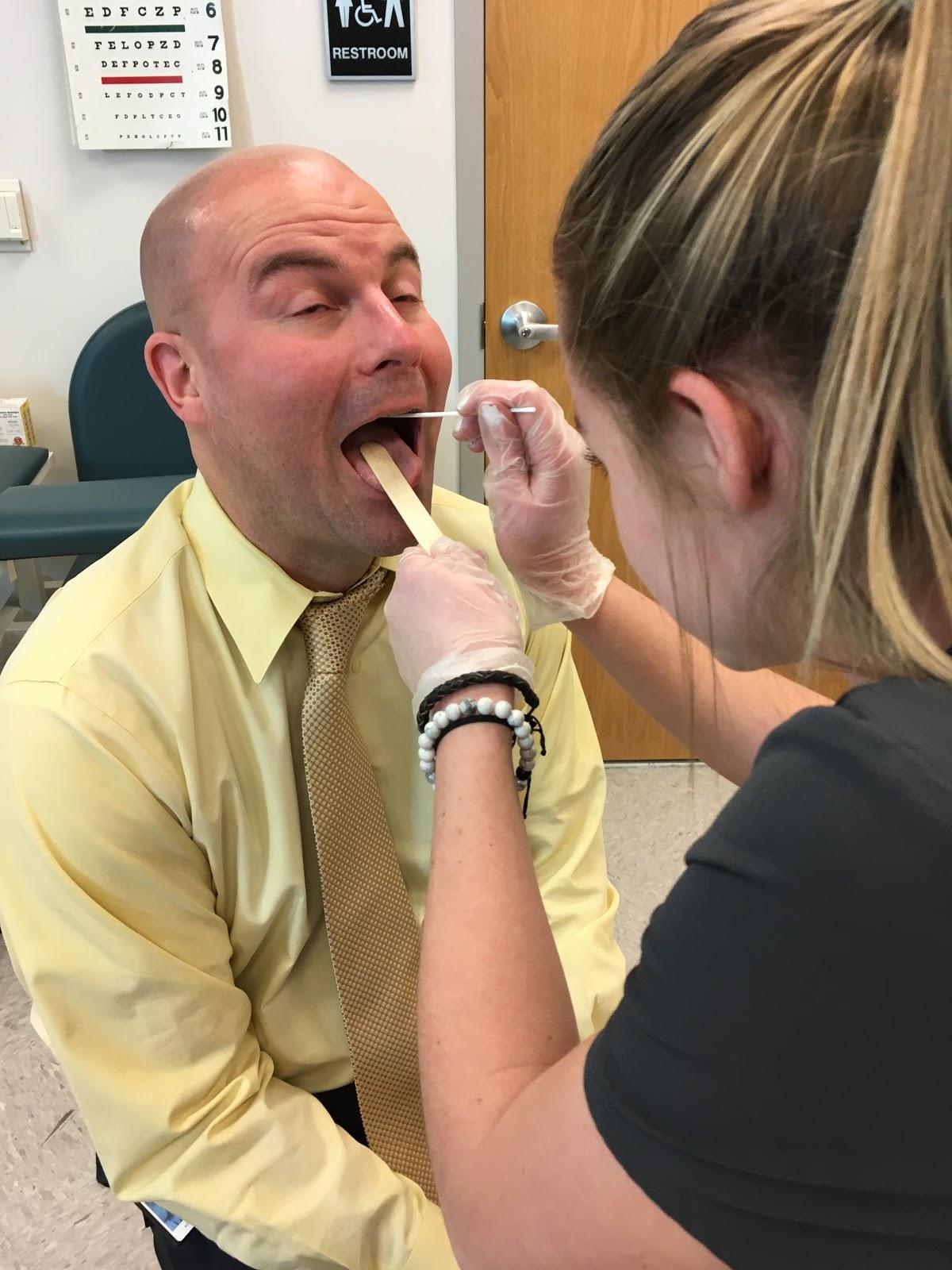
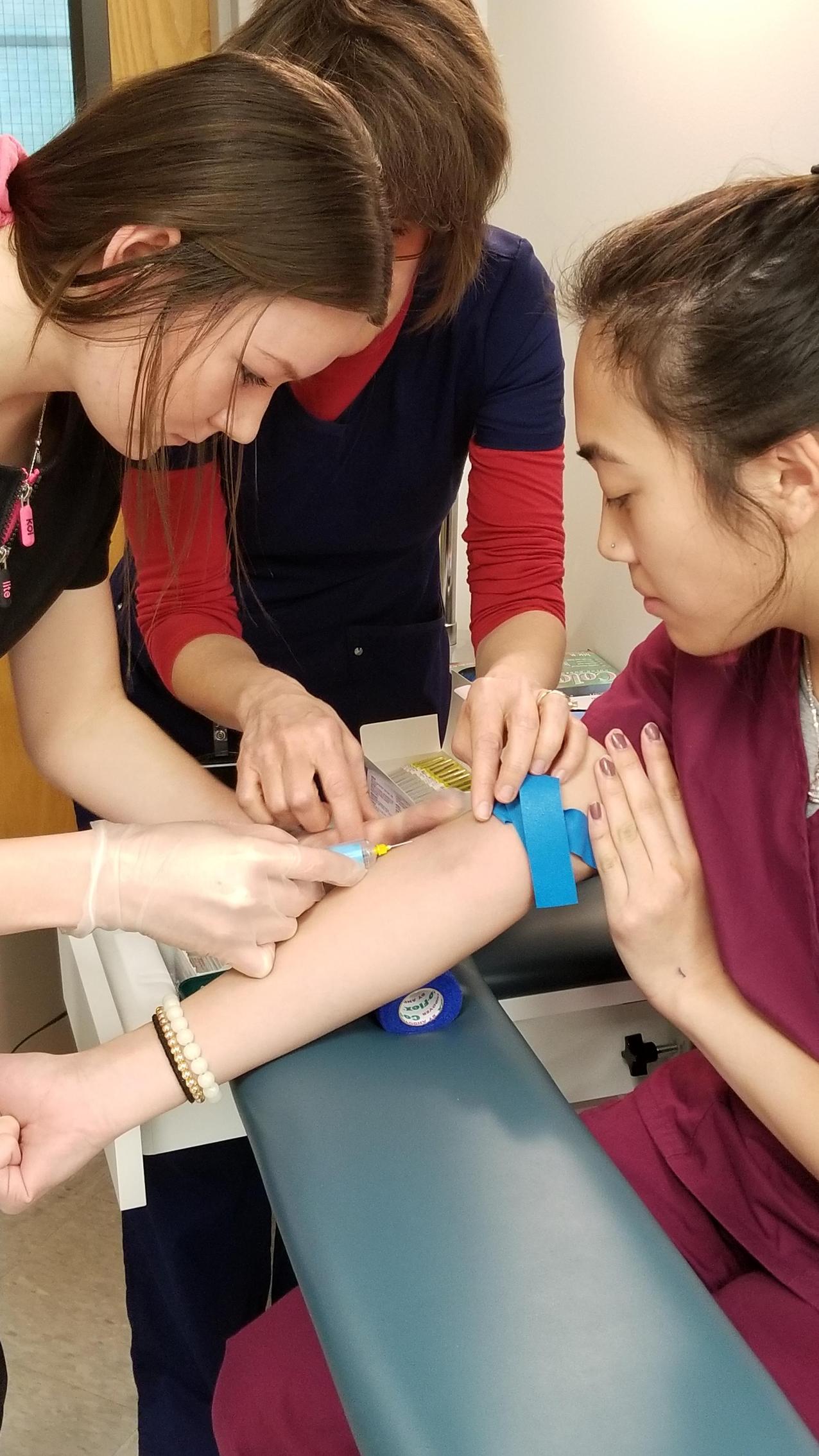
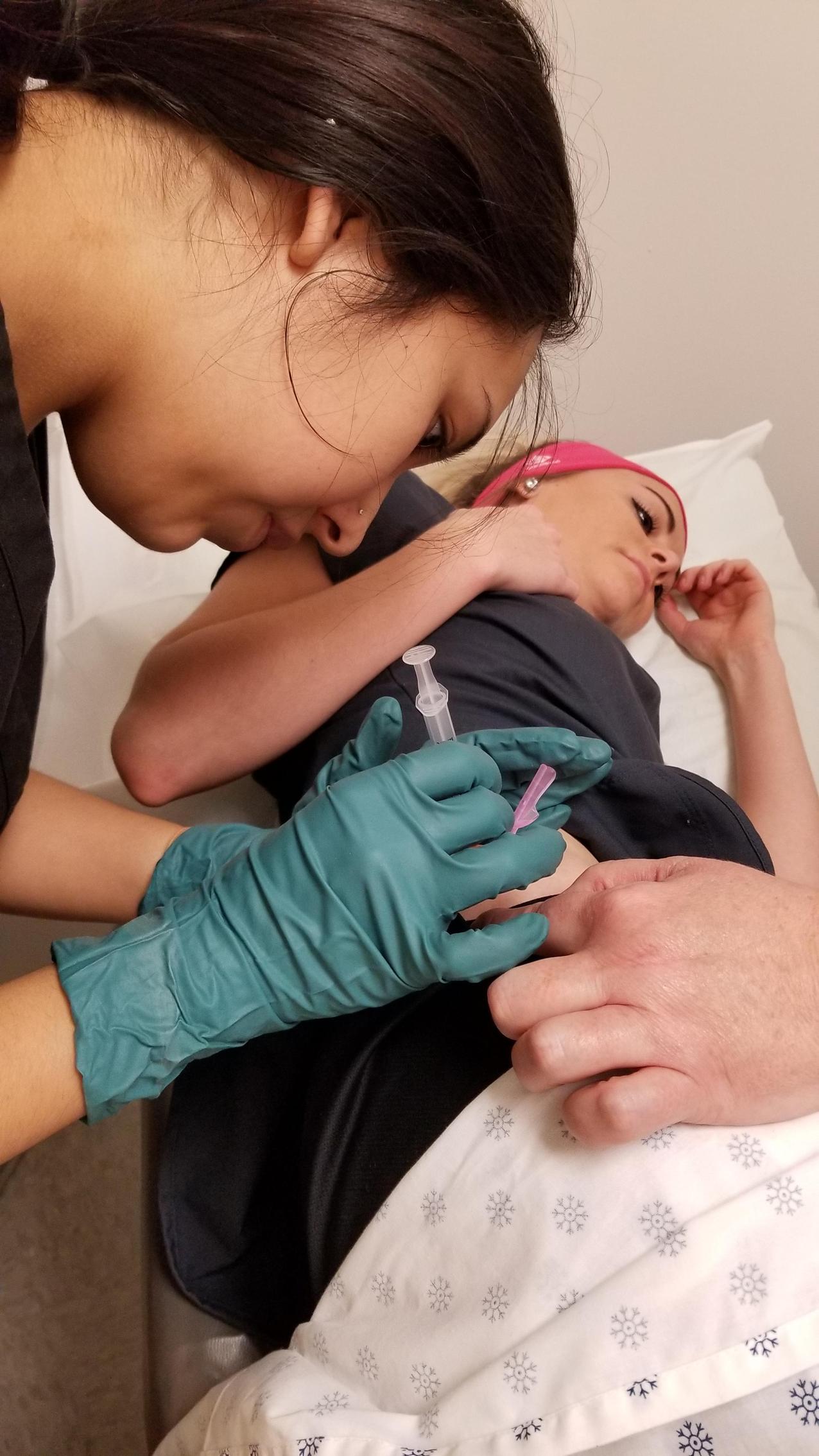
This program prepares students to work as medical assistants in a physician’s office. Students gain clinical skills that allow them to provide patient care such as taking vital signs, drawing blood, giving shots, performing simple lab tests and documenting information in each patient’s medical record. Students also study front office skills such as setting up patient records, billing medical insurances, scheduling patient visits and managing the office setting.
Program Expectations:
Each student will be required to participate as the medical assistant and as a patient in venipuncture, injections, finger sticks and urinalysis. Students will learn and follow safety precautions when working with patient body fluids. All students will be required to pass random drug testing in order to remain in the program. Students must pass four tests at the end of this course, (Medical Terminology, Anatomy & Physiology, Medical Office Management, and Clinical Laboratory) and complete a 160 hour medical office externship in order to earn the Utah Endorsed Medical Assisting Certificate. This certificate will qualify students to take an optional National Certification Exam. Please note transportation arrangements to and from the medical clinic are the responsibility of the student and their parents.